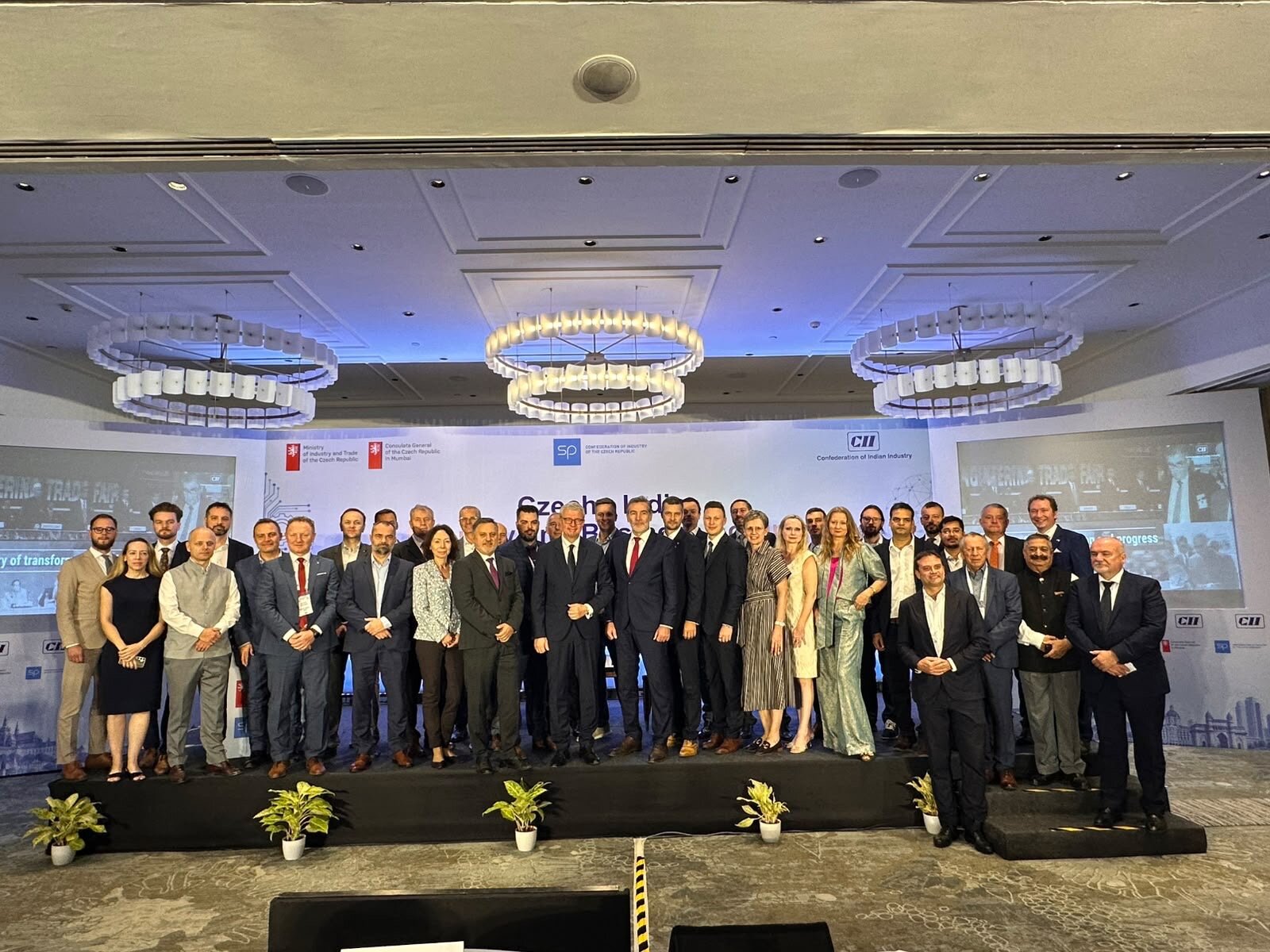
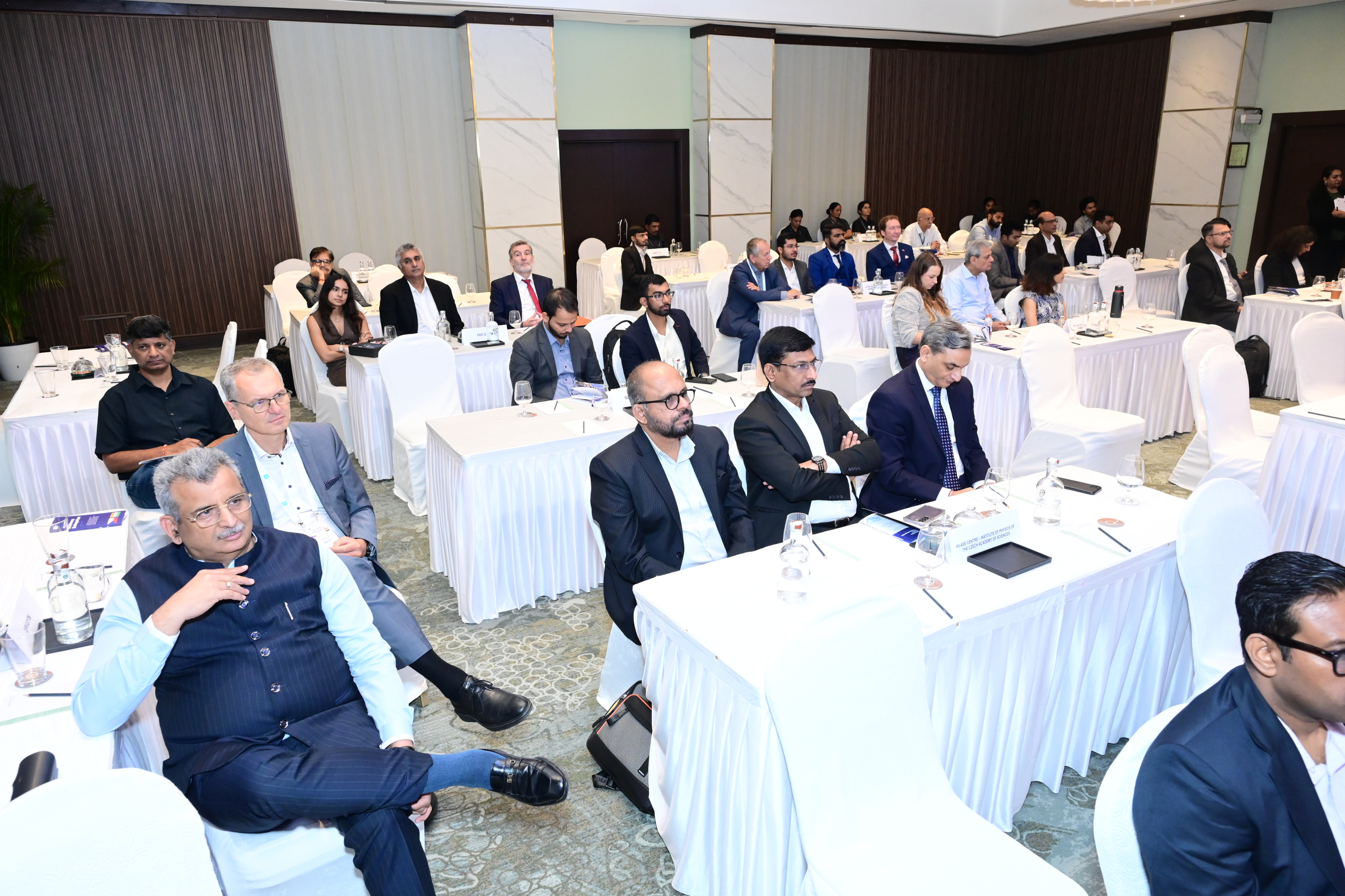
INDRC and CLARA Center were represented by Vít Dočkal, Ph.D., Director of INDRC; Prof. RNDr. Václav Snášel, Ph.D., Director of CLARA; and Lalit Patil, Ph.D., Ethics and Security Manager at INDRC. In addition to participating in the official programme, which featured three Czech–Indian business forums organized in cooperation with the Confederation of Indian Industry (CII), the team held a series of meetings with Indian research institutions, technology organizations and industry partners. These engagements led to important strategic agreements supporting joint research, technology development and deep-tech innovation.
In New Delhi, INDRC entered into a research, business and technology collaboration agreement with Carbonyx, centred on the CLARA NANO project exploring the impact of nanopollutants to the brain health. The partnership aims to create new opportunities for collaborative research and technology development.
In Bengaluru, a Memorandum of Understanding (MoU) was signed with the Centre for Development of Advanced Computing (C-DAC), an institution under the Ministry of Electronics and Information Technology, Government of India. The agreement focuses on cooperation in artificial intelligence, high-performance computing and quantum computing within Project CLARA, while also addressing implementation strategies for the CZACRA Czech–India Deeptech Accelerator Programme.
The visit to Mumbai brought further opportunities for cooperation with India's innovation and start-up ecosystem. INDRC signed an ecosystem partnership MoU with SINE, IIT Bombay, as well as a separate MoU with Green Solutions, opening new avenues for technology transfer, entrepreneurship and the commercialization of research outcomes.
Following the conclusion of the official delegation programme on 15 October, the INDRC and CLARA Center team continued to Pune, where they engaged with COEP Technological University, recognized as one of Asia’s oldest engineering institutions, with a history dating back to 1854, on 16 October to explore opportunities for academic and research collaboration.
The visit marked an important milestone in expanding INDRC and CLARA Center's international partnerships and strengthening connections between Czech and Indian research and innovation ecosystems. The agreements established during the mission provide a foundation for future joint initiatives in advanced computing, artificial intelligence, deep-tech acceleration and applied research, supporting closer cooperation between academia, industry and technology partners in both countries.
From New Delhi to Pune: partnerships built for impact
The official mission began in New Delhi on 12 October, where INDRC concluded an Agreement for Strategic Technology Collaboration, Circular Innovation and Industrial Decarbonization with Carbonyx Group, establishing a framework for cooperation at the intersection of environmental sustainability, advanced technologies and brain health.
The agreement brings together Carbonyx Group, INDRC and CLAIRIS, with a focus on investigating the impact of environmental factors on brain health, advancing circular innovation and supporting industrial decarbonization. The collaboration seeks to combine expertise in environmental technologies, sustainable industrial solutions and health-related research, creating opportunities for interdisciplinary research and technology development.
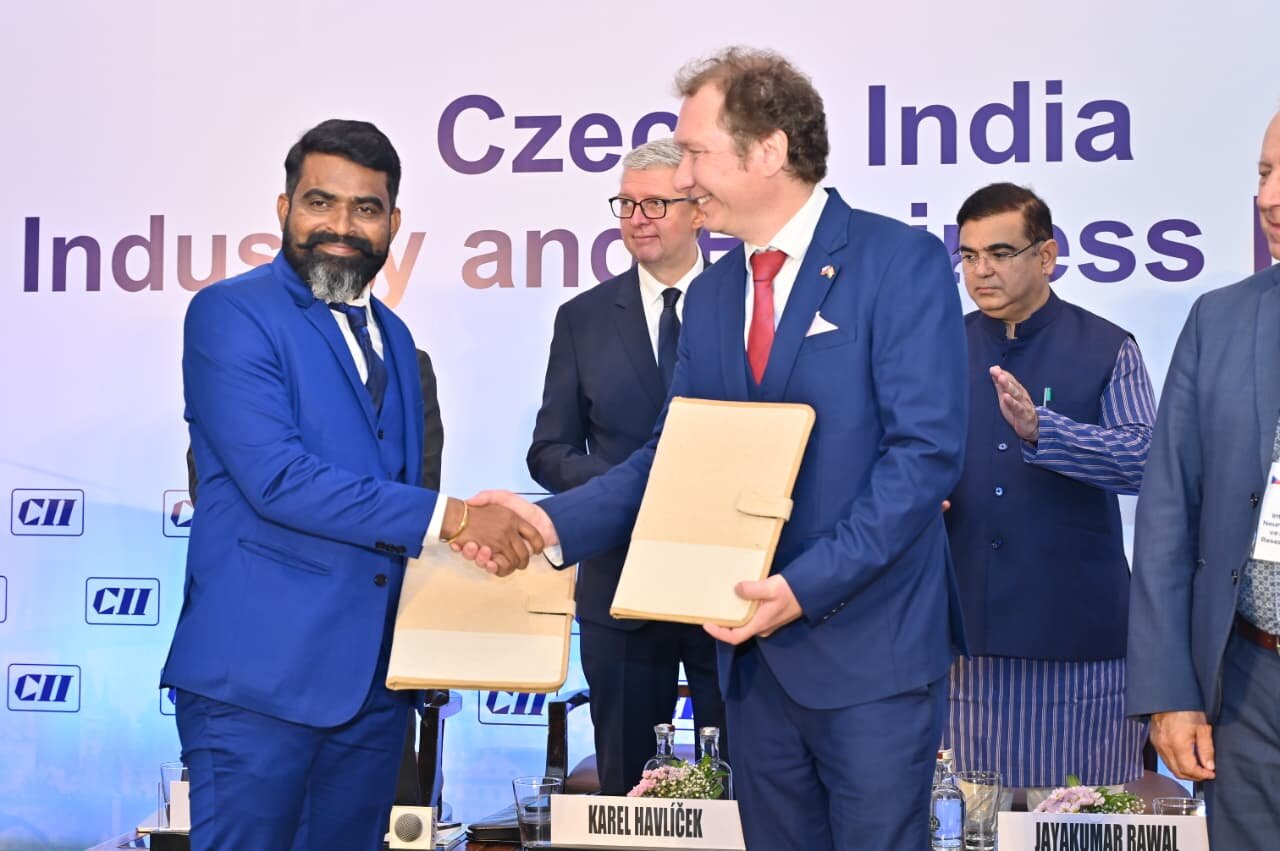
The agreement was signed by Swapnil Dulba Gavkar, Founder and CEO of Carbonyx Group, and Vít Dočkal, Ph.D., Director and CEO of INDRC, in the presence of Karel Havlíček, First Deputy Prime Minister of the Czech Republic. The signing represents an important step towards developing international partnerships connecting environmental innovation with research into human health and sustainability, including the Nano-CLARA Project.
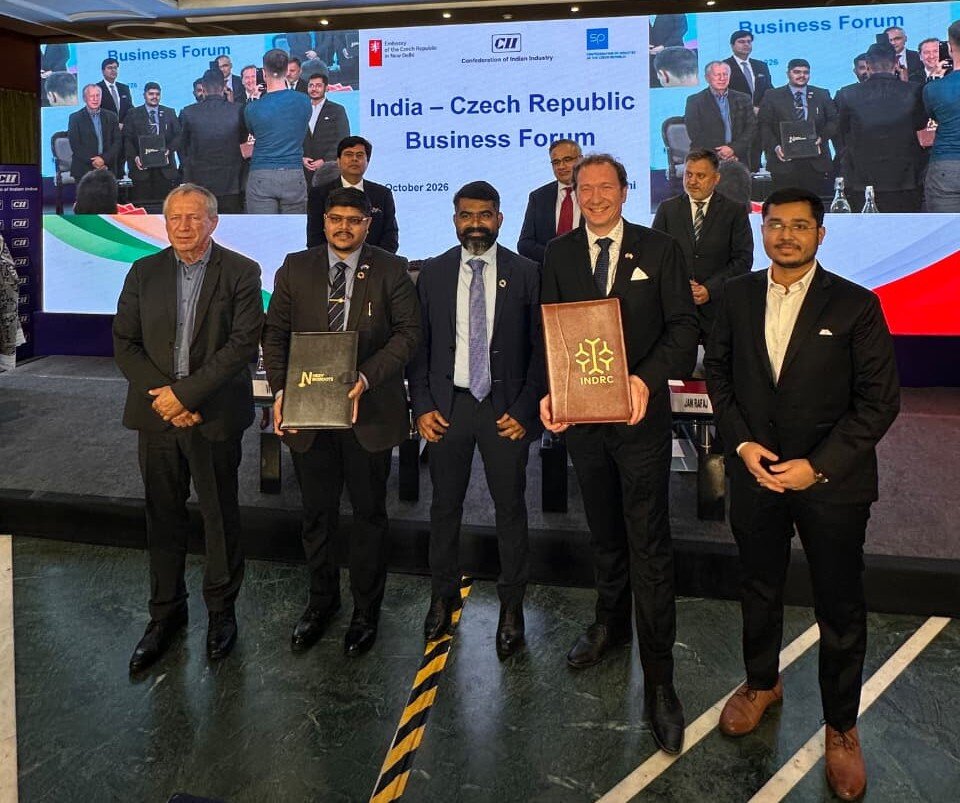
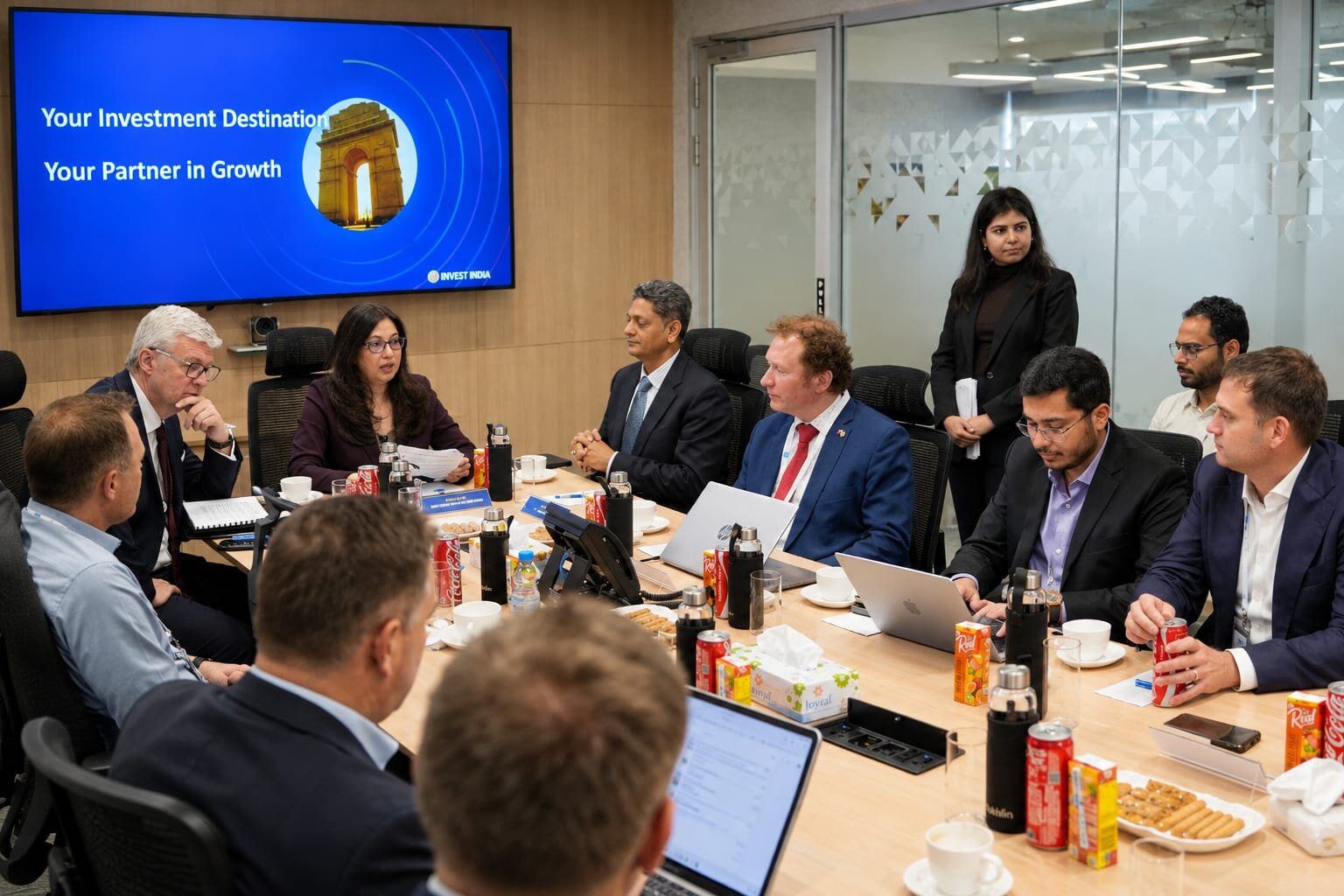
On 13 October, the Czech delegation participated in a high-level roundtable discussion with Invest India, India's national investment promotion agency, attended by Minister Havlíček and Jan Rafaj, President of the Confederation of Industry of the Czech Republic. The meeting provided an opportunity to discuss bilateral investment, technology cooperation and new avenues for strengthening Czech–Indian business and innovation partnerships.
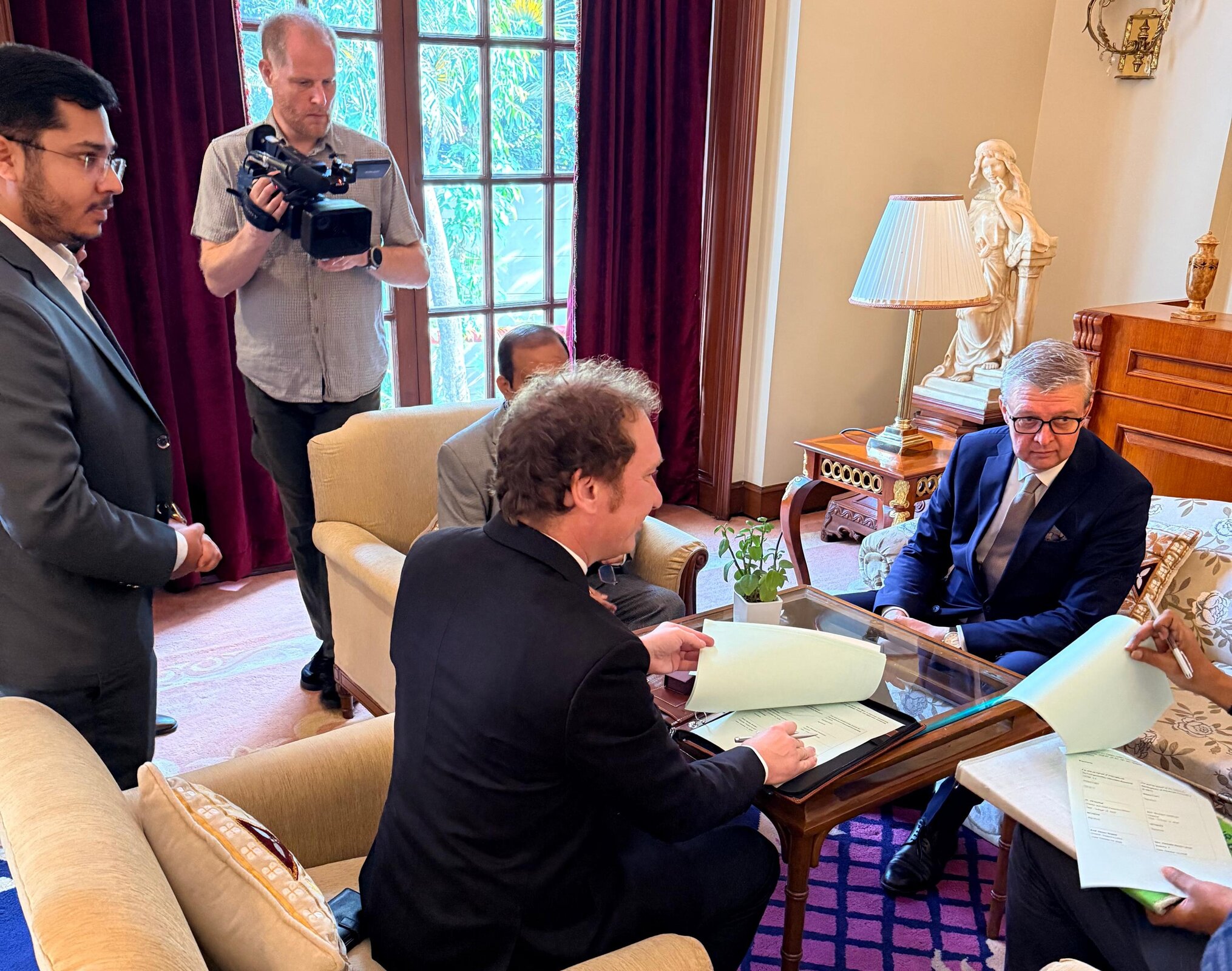
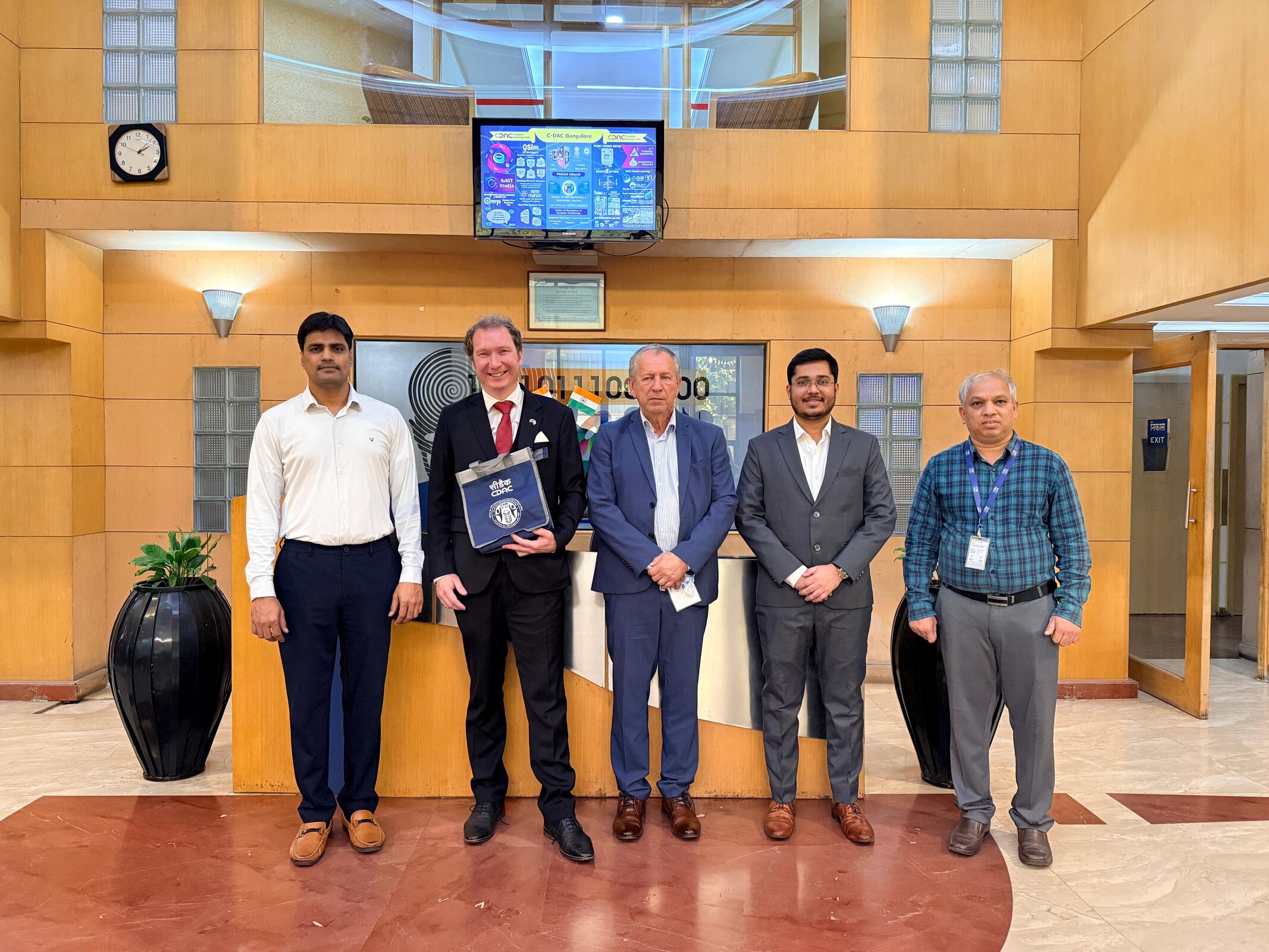
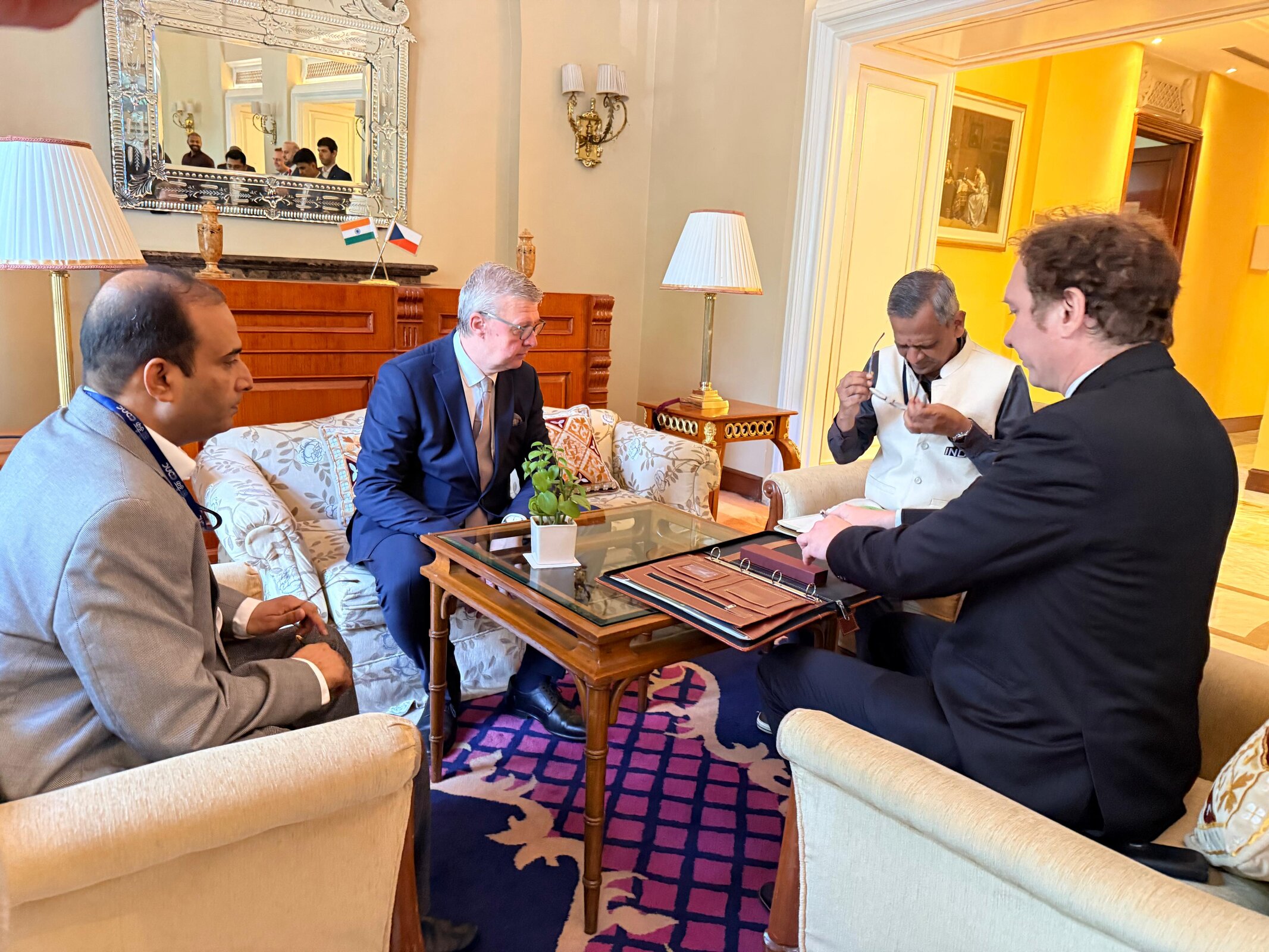
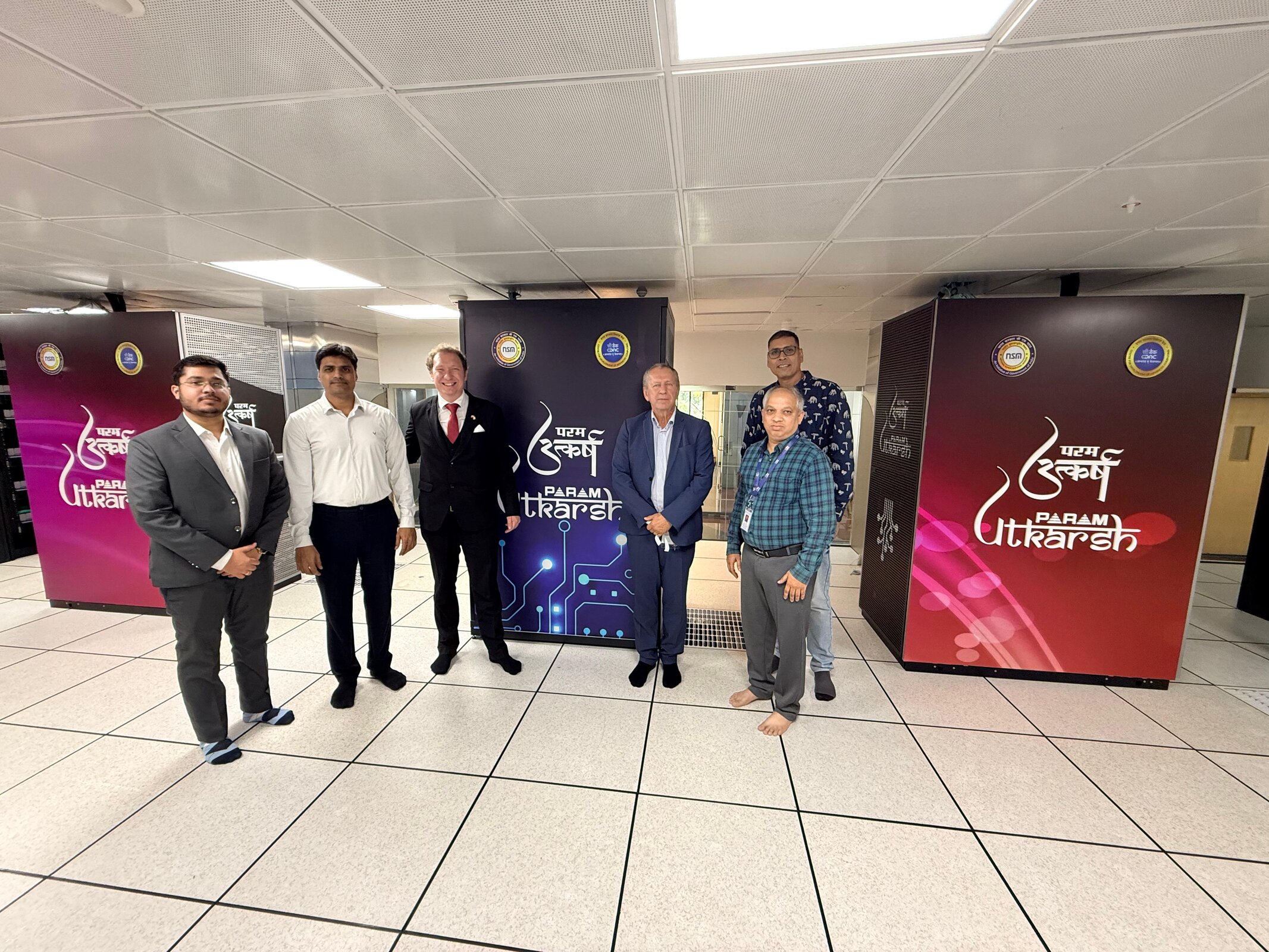
A major milestone of the Czech delegation's visit to Bengaluru was the signing of a Memorandum of Understanding (MoU) between INDRC and the Centre for Development of Advanced Computing (C-DAC), India's premier research and development institution under the Ministry of Electronics and Information Technology, Government of India. C-DAC plays a central role in developing, deploying and operating India's critical national research and computing infrastructure, including the indigenous PARAM supercomputing systems and advanced high-performance computing facilities supporting scientific research across the country.
The agreement was signed by Vít Dočkal, Ph.D., Director and CEO of INDRC, and Shri S. D. Sudarshan, Director of C-DAC Bengaluru, in the presence of Karel Havlíček, First Deputy Prime Minister of the Czech Republic. Building on the strategic partnership between Czechia and India in innovation, the MoU establishes a framework for scientific, technological and academic cooperation within Project CLARA and the CZACRA Czech–India Deeptech Accelerator Programme.
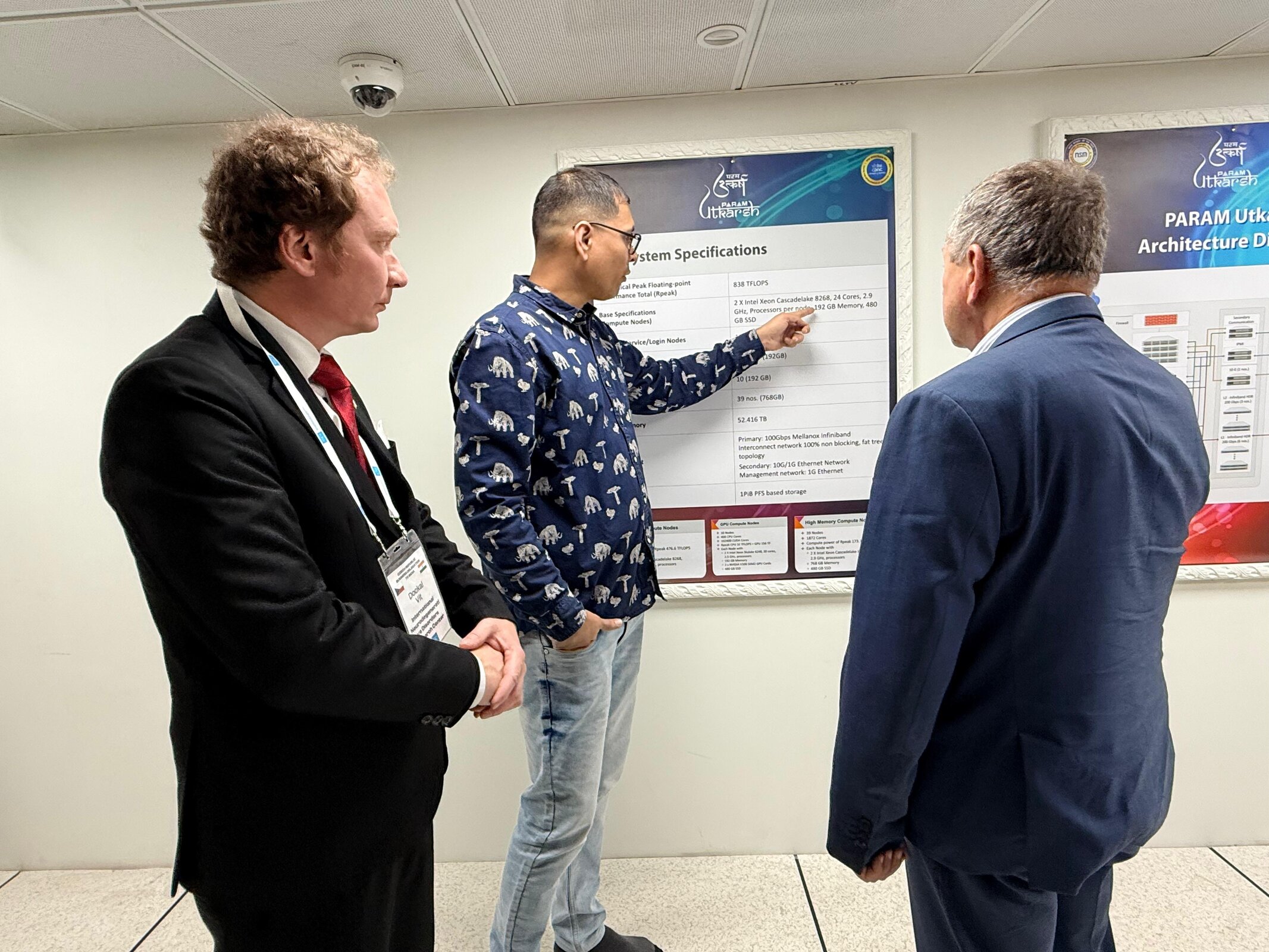
At the heart of the partnership is the application of artificial intelligence, machine learning, high-performance computing and quantum technologies to brain research, particularly the early detection, diagnosis and management of neurodegenerative diseases. The collaboration will explore the use of C-DAC's PARAM supercomputing infrastructure, AI platforms and quantum-simulation capabilities for CLARA's scientific and clinical research, including medical imaging, computational modelling and advanced data analysis.
The agreement also opens opportunities for joint research projects and international grant applications, including Horizon Europe, researcher and doctoral exchanges, and collaborative scientific publications. Beyond academic cooperation, C-DAC will contribute scientific and technical expertise to the CZACRA programme, supporting the identification, evaluation and acceleration of promising deep-tech ventures and facilitating innovation partnerships between India and Europe.
A further area of cooperation focuses on ethical, explainable and trustworthy artificial intelligence, including privacy-preserving health data analysis and the development of methodologies aligned with European and Indian regulatory frameworks.
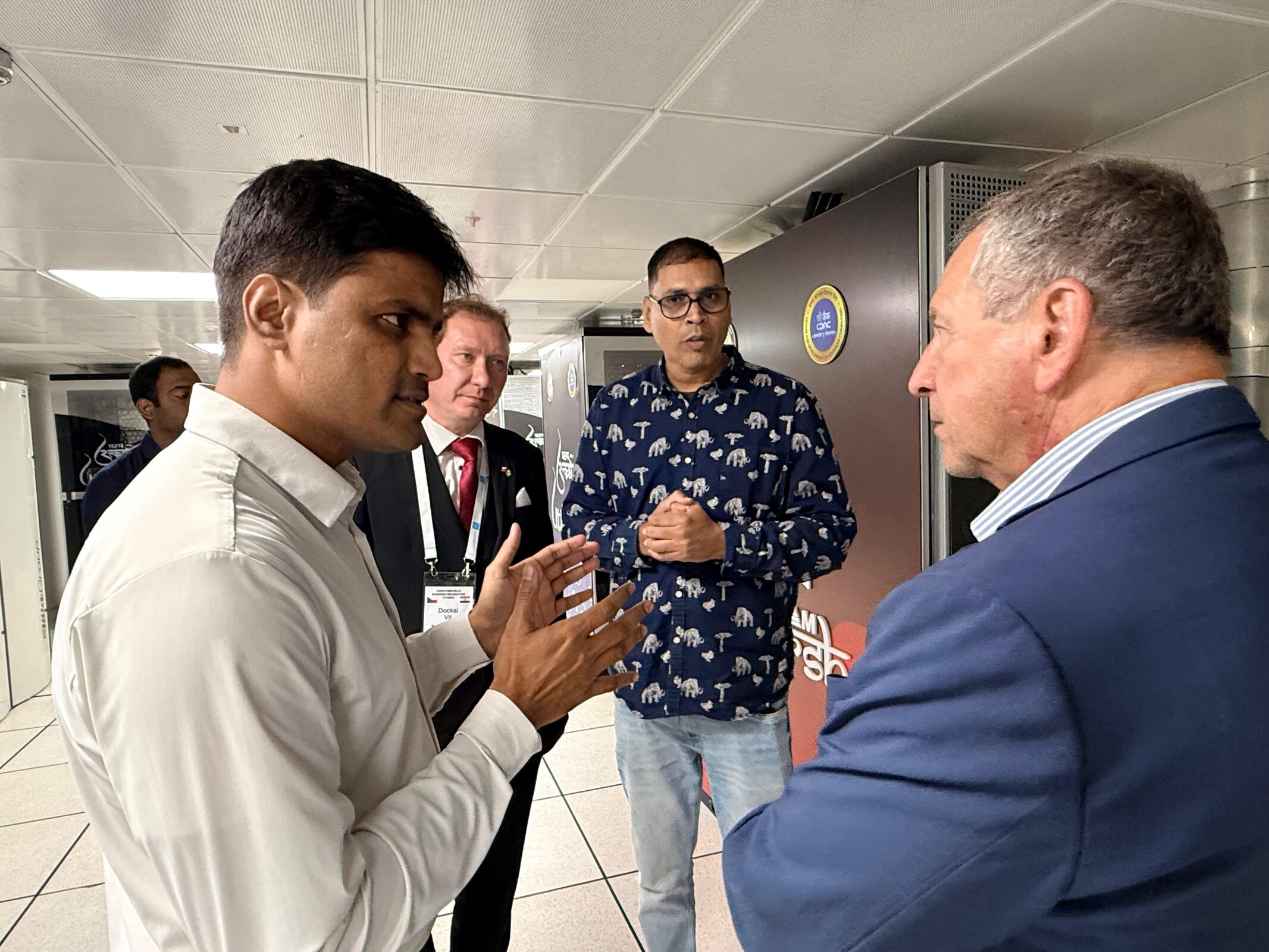
During the visit, the INDRC delegation also toured the C-DAC Bengaluru campus and its supercomputing facilities, gaining first-hand insights into India's advanced computing infrastructure and discussing opportunities for future joint research.
The partnership connects CLARA's ambitions in AI-driven brain research with C-DAC's expertise in nationally significant computing infrastructure, creating opportunities for scientific advances, responsible technology development and cross-border deep-tech innovation.
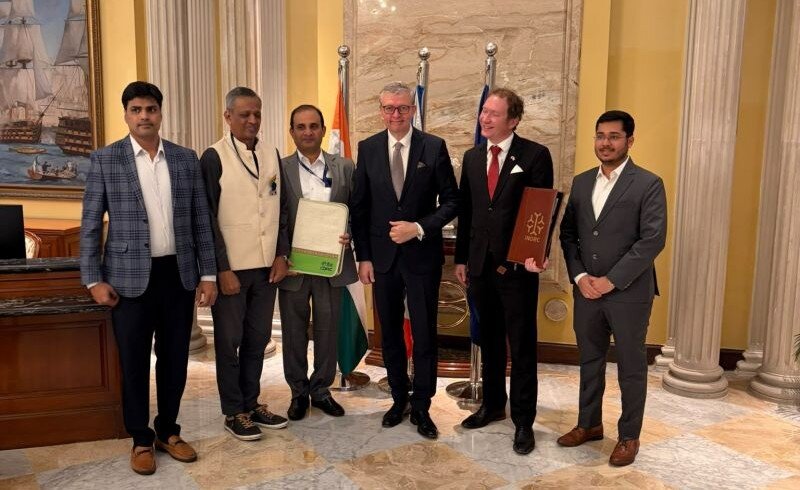
The official Czech delegation concluded its visit to India in Mumbai on 15 October, where INDRC signed two important Memoranda of Understanding (MoUs) in the presence of Karel Havlíček, First Deputy Prime Minister of the Czech Republic, and Jaykumar Rawal, Minister in the Government of Maharashtra. The agreements further expanded Czech–Indian cooperation in research, technology development and entrepreneurship, with a particular emphasis on strengthening the CZACRA Czech–India Deeptech Accelerator Programme.
A key outcome of the Mumbai programme was the establishment of a strategic ecosystem partnership with the Society for Innovation and Entrepreneurship (SINE), the technology business incubator of the Indian Institute of Technology Bombay (IIT Bombay). As one of India's leading institutions for engineering, science and technology, IIT Bombay has a prominent position in the country's research and innovation landscape. Established in 2004, SINE plays an important role in translating technological research into entrepreneurial ventures, providing incubation, mentorship and acceleration support to technology start-ups from early-stage development through commercialization and scale-up.
This collaboration creates a valuable connection between the Czech–Indian accelerator programme and one of India's established technology entrepreneurship ecosystems.
Through the partnership, SINE will support the identification of promising deep-tech ventures from its portfolio and wider innovation networks, promote CZACRA among Indian start-ups and facilitate their engagement with the programme. The cooperation also includes participation in CZACRA events, start-up pitching sessions and international networking activities, helping connect Indian technology ventures with European research institutions, innovation partners and potential commercialization opportunities.
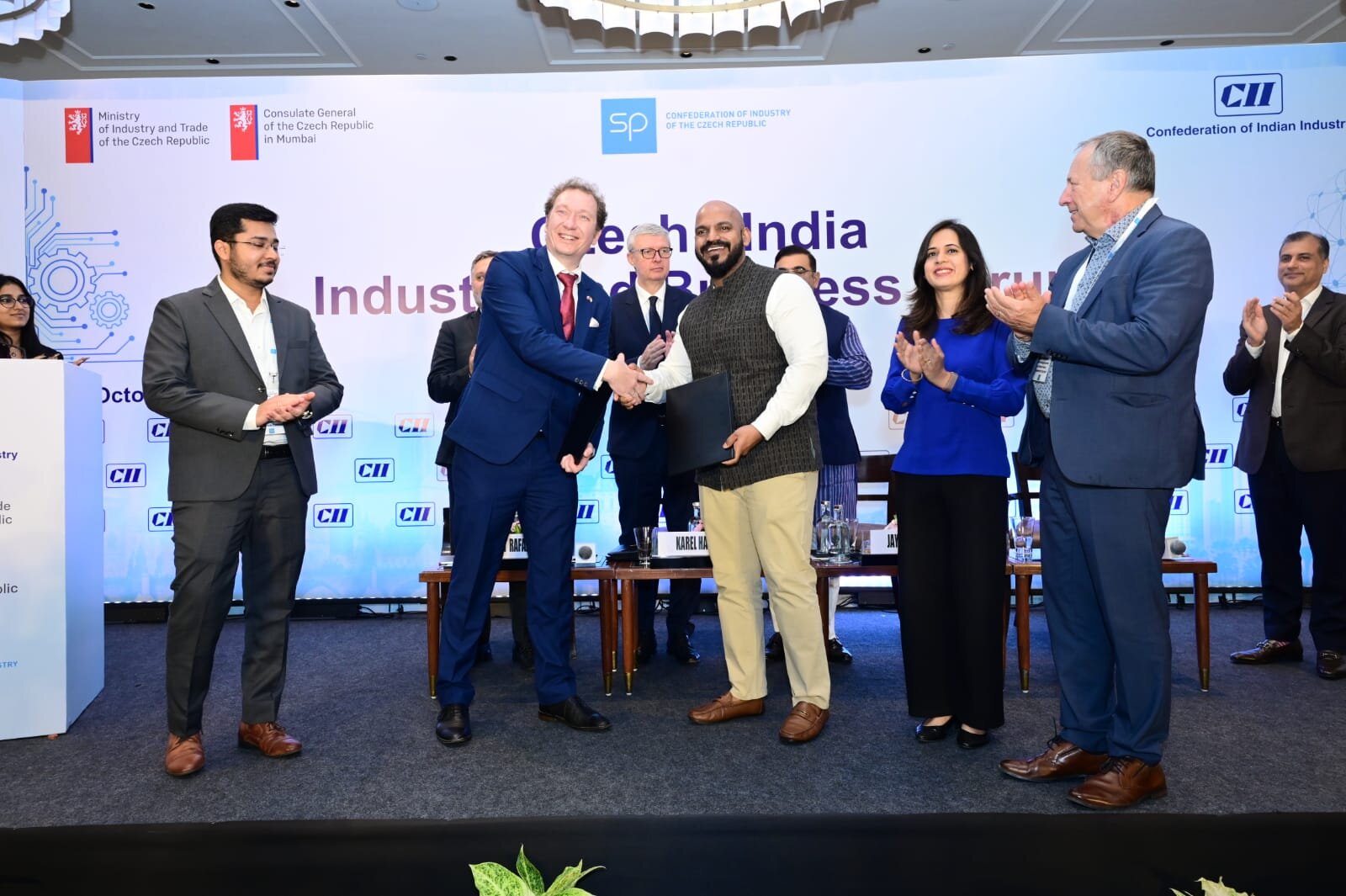
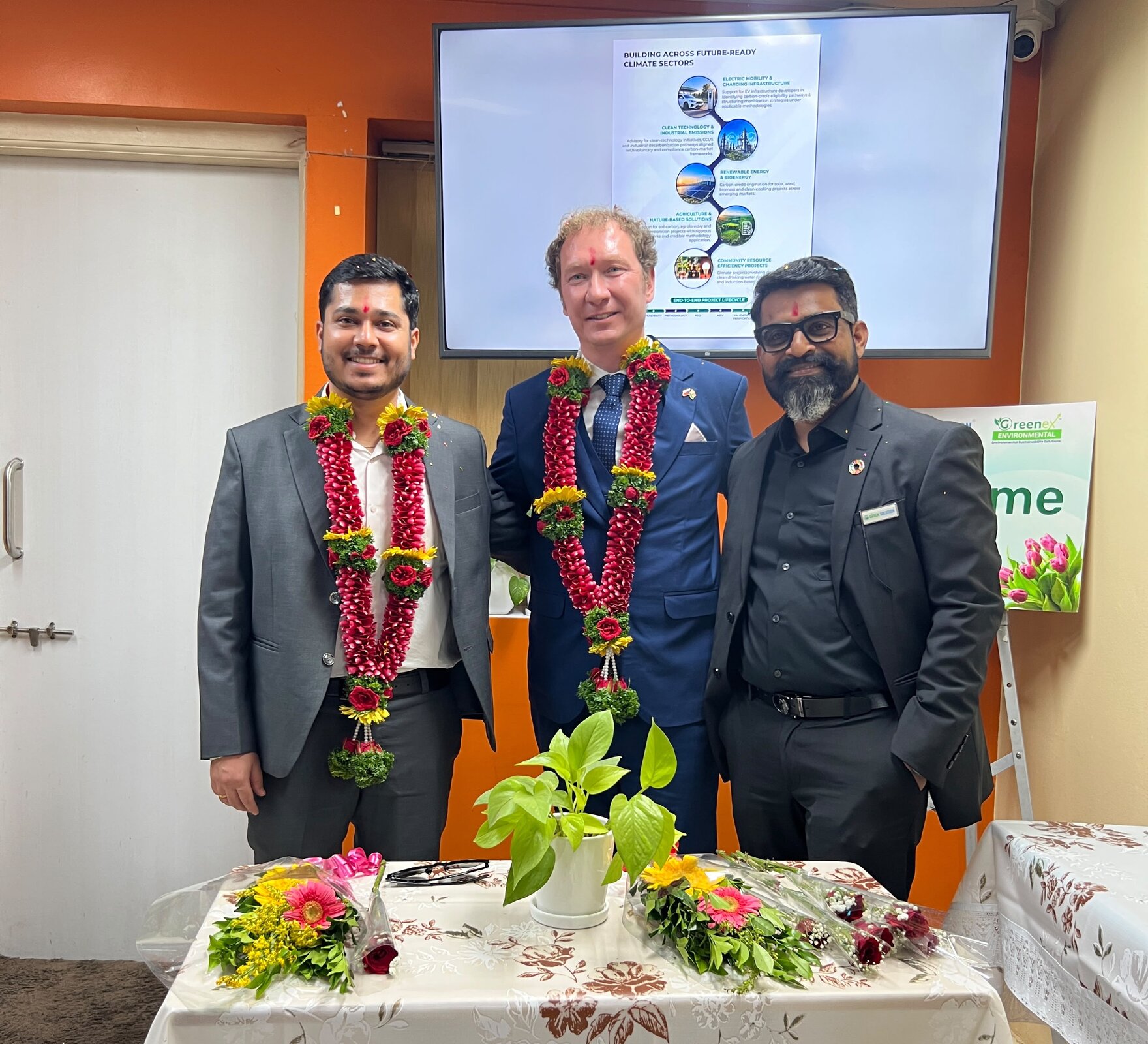
A second MoU was concluded with Green Solutions, a Pune-based company represented by its Managing Director and CEO, Sagar Ahiwale. The agreement establishes a framework for joint research, pilot projects and technology development, as well as knowledge exchange, collaborative events and the exploration of joint grant and funding opportunities in the area of environmental impacts on brain health.
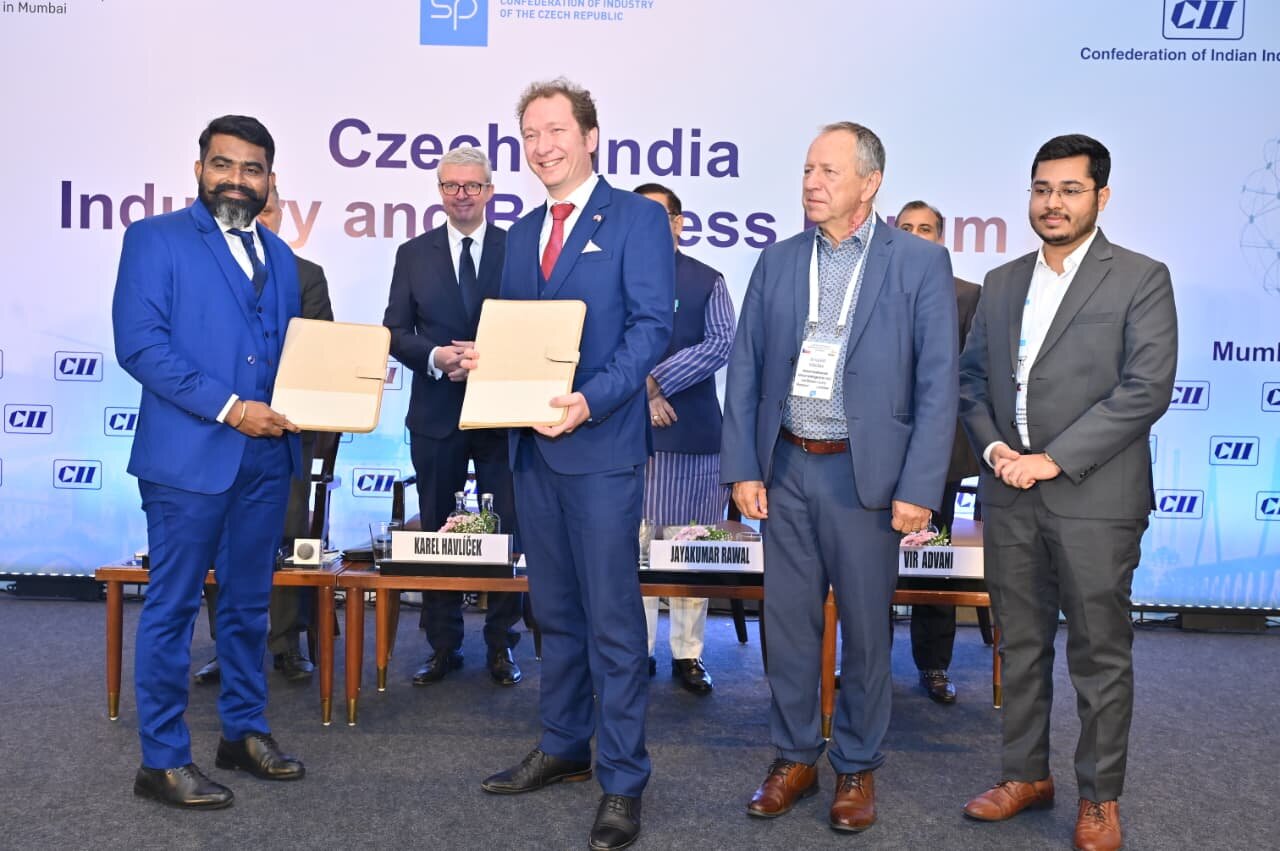
The Mumbai engagements marked an important conclusion to the official delegation programme, complementing the research and technology partnerships established in New Delhi and Bengaluru. In particular, the cooperation with SINE, IIT Bombay, strengthens CZACRA's access to India's deep-tech start-up ecosystem and supports its ambition to become a platform for cross-border technology acceleration, connecting scientific excellence, entrepreneurship and industrial innovation between Czechia and India.
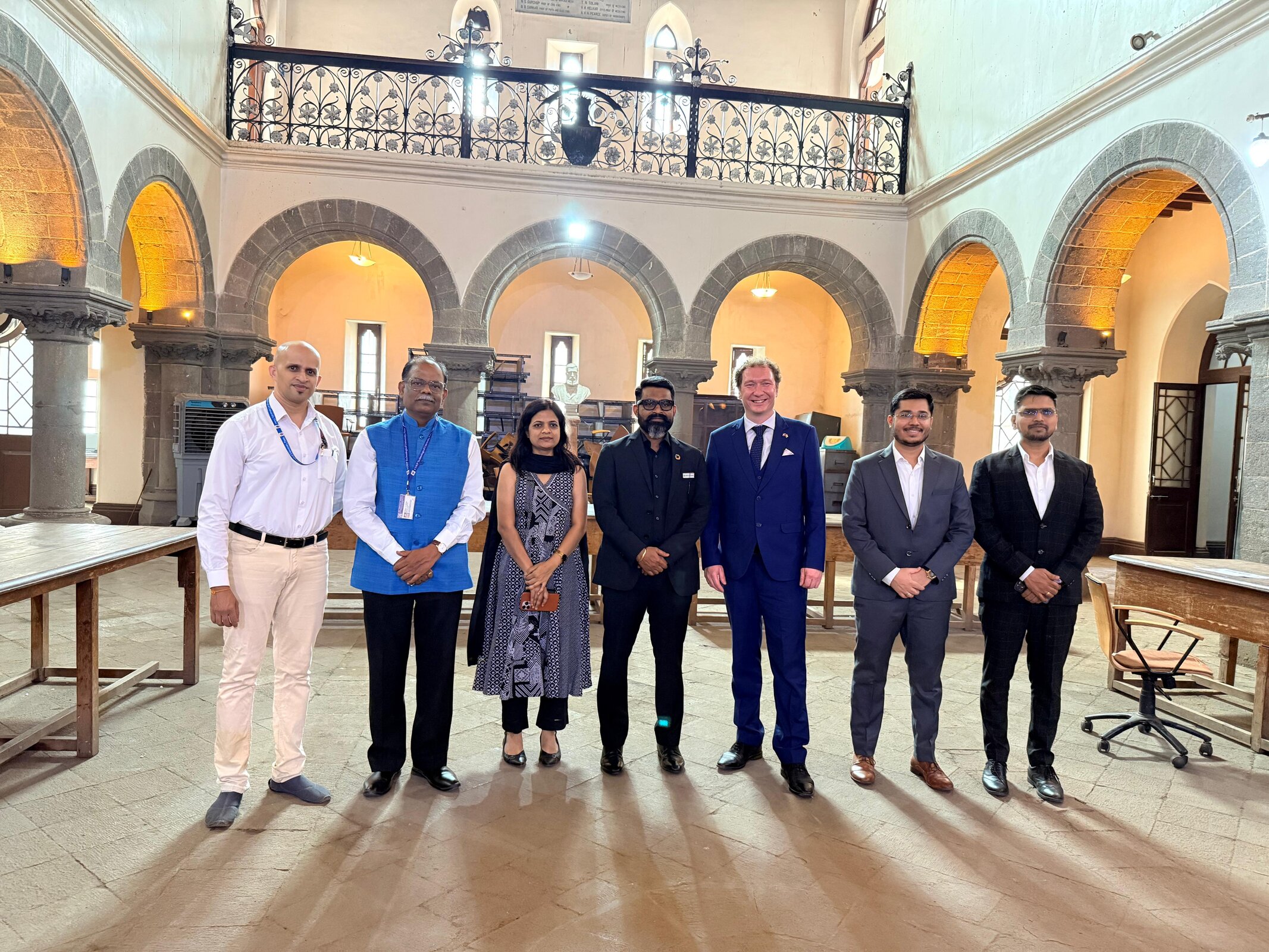
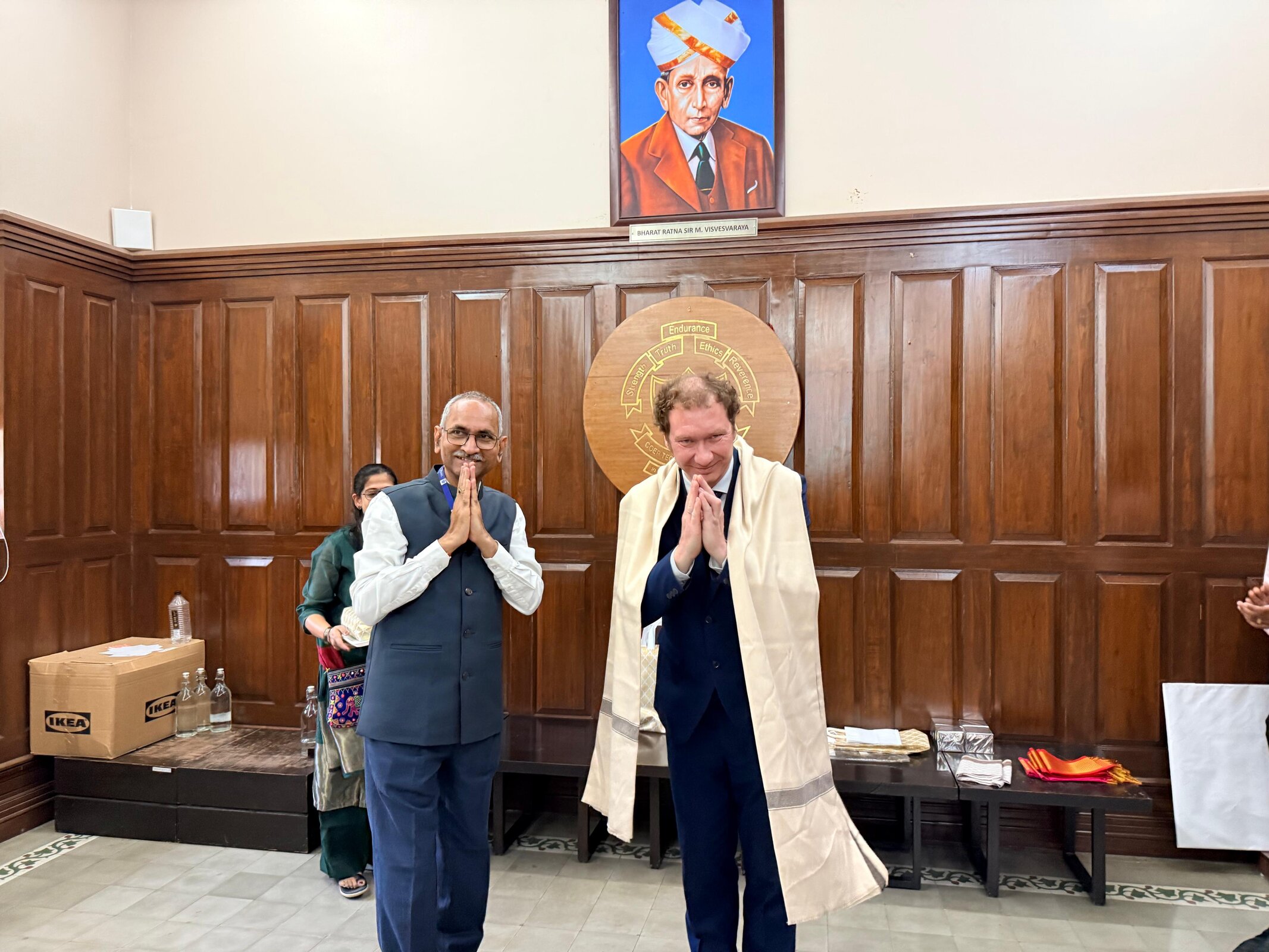
Building on the momentum of the official Czech business mission, the INDRC and CLARA Center delegation continued its engagements in Pune on 16 October, visiting COEP Technological University, one of Asia's oldest engineering institutions, with a distinguished history dating back to 1854. The visit carried forward the mission's spirit of Czech–Indian cooperation, opening new opportunities for collaboration in research, innovation and higher education.
The delegation, represented by Vít Dočkal, Ph.D., Director and CEO of INDRC; Lalit Patil, Ph.D., INDRC Ethics and Security Manager, was welcomed by Prof. Sunil Bhirud, Vice-Chancellor of COEP Technological University; Dr. D. N. Sonawane, Registrar; and senior academic representatives, including deans, directors and heads of departments. The visit was coordinated by Dr. Sandeep A. Meshram, Associate Dean.
The discussions centred on strengthening research, innovation and educational cooperation between COEP Technological University and the Czech research and academic ecosystem. Both sides explored opportunities for joint scientific projects, interdisciplinary research, technology development, academic exchanges and knowledge sharing, with particular attention to connecting COEP's engineering and technological expertise with the advanced research capabilities of INDRC and the CLARA Center.
The meeting also explored possibilities for closer collaboration in artificial intelligence, advanced computing and emerging technologies, as well as joint educational activities, researcher and student exchanges, and initiatives supporting the translation of scientific knowledge into practical applications. The CZACRA Czech–India Deeptech Accelerator Programme was presented as one potential avenue for connecting academic research and emerging technologies with international innovation networks and entrepreneurial opportunities.
The discussions laid the foundation for a Memorandum of Understanding between INDRC and COEP Technological University, intended to establish a framework for long-term cooperation in research, education, innovation and technology development.
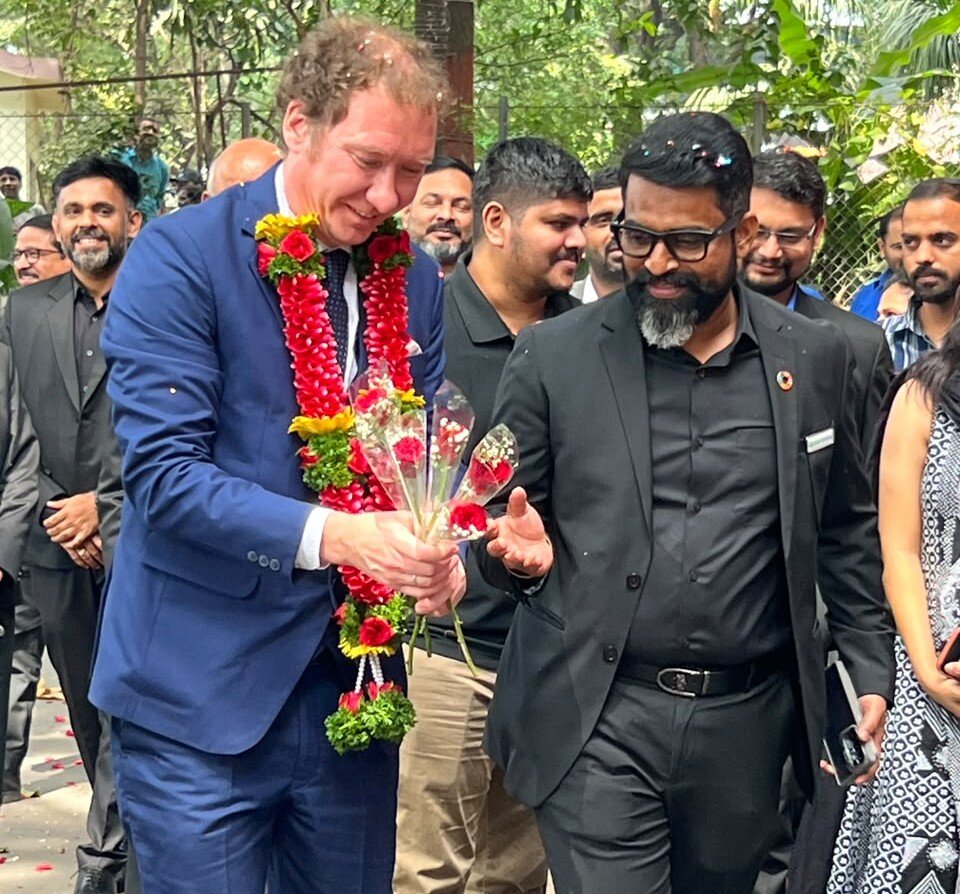
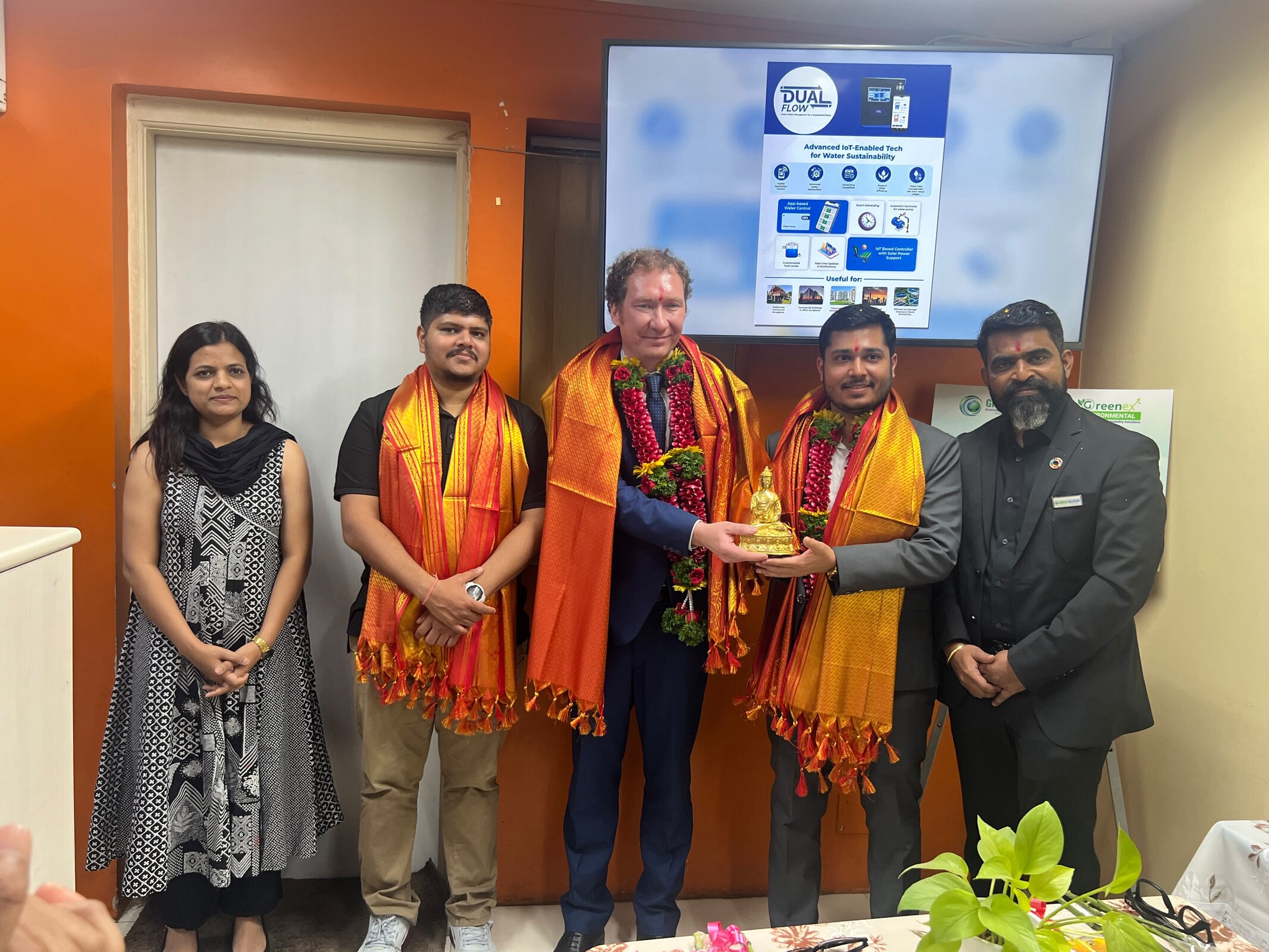
The Pune programme continued with a visit to the headquarters of Green Solutions, an Indian company active in environmental health and sustainable technologies. Hosted by Sagar Ahiwale, Managing Director and CEO, the visit followed the MoU signed between INDRC and Green Solutions in Mumbai the previous day. The meeting included a scientific workshop dedicated to identifying potential areas of joint research and technological collaboration, with discussions exploring the connections between environmental factors, human health and emerging technologies. Particular attention was given to opportunities for interdisciplinary research, pilot projects and the development of innovative approaches linking environmental sustainability with health-related scientific applications. The engagement provided an opportunity to translate the newly established partnership into potential research activities and identify practical next steps for cooperation.
The Pune engagements extended the outcomes of the official Czech mission beyond its formal programme, connecting COEP's longstanding tradition of engineering education and Green Solutions' environmental expertise with the research and innovation ambitions of INDRC and CLARA Center. Together, they reinforced the potential for lasting Czech–Indian partnerships spanning scientific research, higher education, environmental health and technological innovation.
The team and the support behind it
Our successful participation in this important mission was made possible through the invaluable support of Karel Havlíček, First Deputy Prime Minister and Minister of Industry and Trade of the Czech Republic and his team. Moreover, it would not be possible without the support and excellent cooperation with the Embassy of India in Prague, His Excellency Raveesh Kumar, Ambassador of India to the Czech Republic, and his dedicated team. We are deeply grateful for their trust, encouragement and commitment to advancing Czech–Indian cooperation in research, technology and innovation.
I would also like to extend our sincere appreciation to Jan Rafaj, President of the Confederation of Industry of the Czech Republic, and his colleagues for their outstanding organizational efforts and support throughout the mission.
The partnerships established during this visit demonstrate the importance of close cooperation between government, diplomacy, science, industry and business. We look forward to building on these achievements and translating the new opportunities into meaningful, long-term collaborations that benefit both countries.
Photo source: Czech Ministry of Industry and Trade (MPO), Confederation of Indian Industry (CII), INDRC
News report “Podnikatelská delegace v Indii” (Business Delegation in India), broadcast on ČT1 on October 14, starting at 44:10:
You can also watch another TV report from the mission here: