
The online 7th Hands-on Computational Enzyme Design Course was primarily aimed at protein engineers, scientists, and technicians working with proteins and enzymes who do not yet have experience in computational modelling or wish to expand their skills. Under the guidance of experienced scientists from the Loschmidt Laboratories (Faculty of Science, MU, and the International Clinical Research Center ICRC), students learned to use various computational tools for different aspects of enzyme engineering and to interpret the results properly.
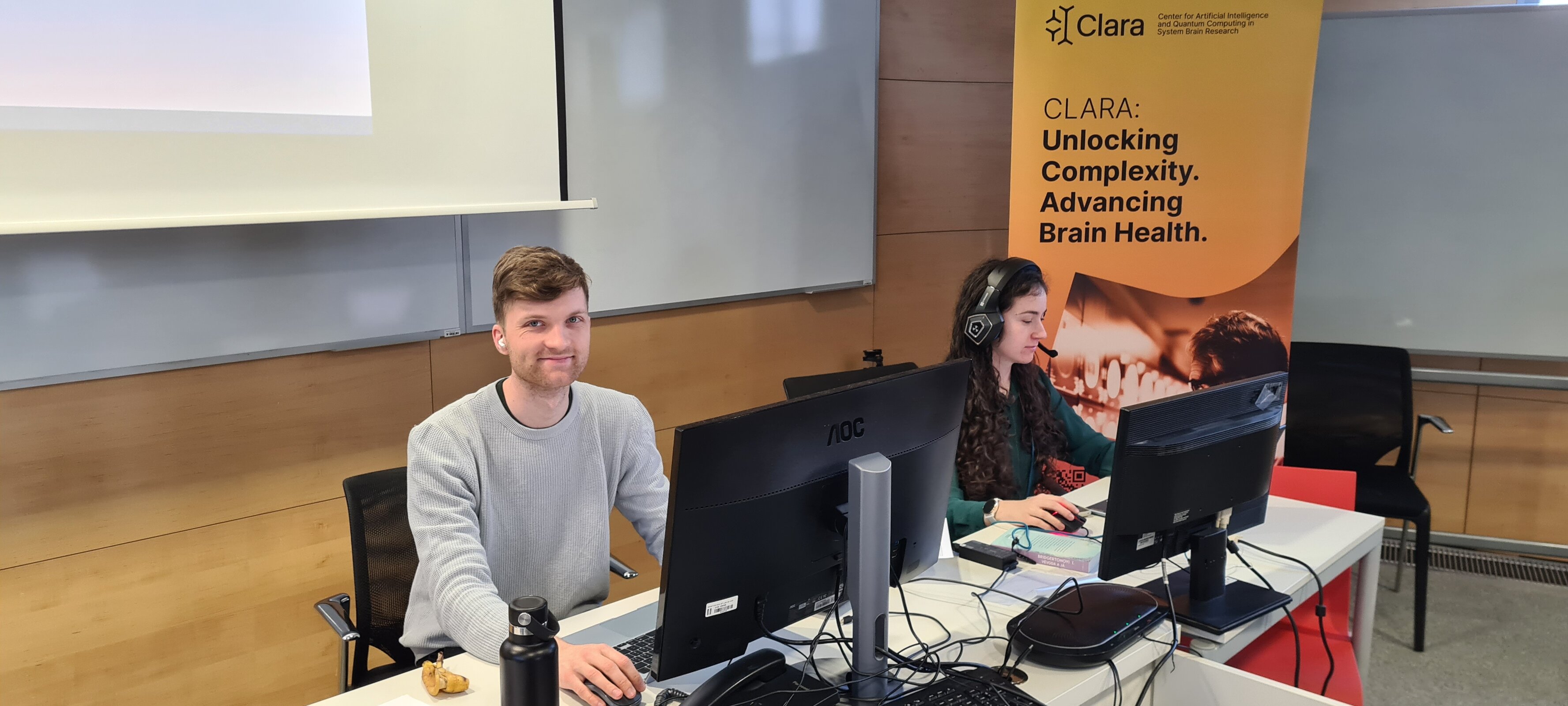
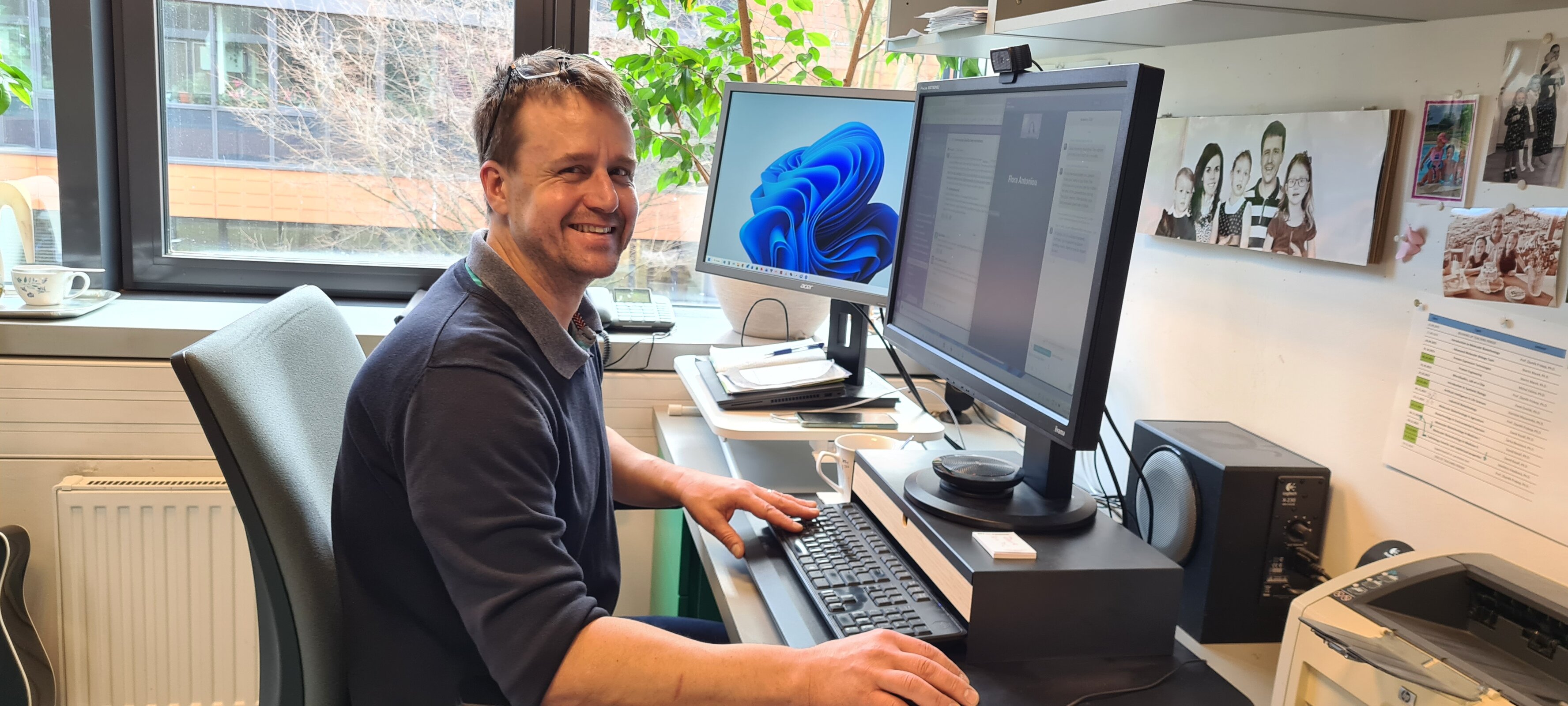
The course covered four main topics: mining and analyzing novel enzymes; engineering protein stability and solubility; engineering enzyme activity and specificity; and applying machine learning to protein engineering. The theoretical background and practical exercises were provided in a dynamic discussion environment using multiple software tools. Newly, the course was expanded with a dedicated block focused on the kinetic analysis of biomolecular systems because the kinetic analysis provides critical insight into the mechanisms of enzymatic reactions and biomolecular interactions, enabling the identification of rate-limiting steps that govern activity, stability, and overall system performance, key targets for rational protein engineering.
A special session was devoted to the event's co-organizer, Enantis, which introduced its software and services. The workshop also featured an invited lecture by Jan Byška (Faculty of Informatics, MU) and Elisabet Maňásková (Czech Technical University of Prague), who joined the organizers' team to support the machine-learning session.
The instructors of the 7th Hands-on Computational Enzyme Design Course are the authors and developers of several of the tools used, including AggreProt, Caver Web, FireProt, EnzymeMiner, Hotspot Wizard, SoluProt, LoopGrafter, and Calfitter. Participants had the opportunity to use these tools for their own projects, share ideas, and expand their professional networks by connecting with new experts. Instructors trained 63 participants from 24 countries, both from academia (70%) and industry (30%).
“We’re excited to see our course gaining more and more popularity among the community. The high number of applicants, the fact that it filled up so quickly, and the consistently positive feedback from participants all speak to its growing success, ” said main organizer of the course, Sérgio Marques, who specializes on computational modeling of enzymatic systems intending to improve their activity and stability for biotechnological applications within the Faculty of Science at Masaryk University, the International Clinical Research Center (ICRC), and the CLARA center.

The realization of this year's course was also made possible thanks to the support of CLARA, an international center focused on developing the next generation of artificial intelligence and machine learning tools to research the causes of neurodegenerative diseases.