
Episode 135 titled Distilling Wisdom with podcasterReed Endersbe, Regional Director, Masonic Charitiesfocused on one of today’s greatest healthcare challenges—the growing prevalence of neurodegenerative diseases—and how advanced computational methods may enable researchers to identify subtle biological changes years before clinical symptoms appear.
Artificial Intelligence as a New Tool for Understanding the Brain
During the conversation, Dr. Rice emphasized that the true value of artificial intelligence lies not simply in processing enormous volumes of data, but in transforming those data into actionable knowledge that supports clinicians, researchers, and caregivers.
“At the heart of AI, it’s doing deep dives into large amounts of data to extract and distill wisdom that can then be applied to do a better diagnosis of care and enhance collaboration between caregivers,” said Dr. Rice.
This philosophy closely reflects the scientific vision of CLARA – the Centre of Excellence for Artificial Intelligence and Quantum Computing in System Brain Research,coordinated by the INDRC in close cooperation with other partners. CLARA brings together experts in neuroscience, artificial intelligence, quantum computing, high-performance computing, data science, and clinical medicine to develop innovative computational tools for studying neurodegenerative diseases.
Rather than replacing clinicians, AI serves as a powerful research partner capable of discovering hidden relationships across complex biological, imaging, genetic, clinical, and digital health datasets that would otherwise remain invisible.
CLARA: Accelerating Brain Research Through Artificial Intelligence
As populations age worldwide, Alzheimer’s disease and other neurodegenerative disorders continue to represent one of the greatest medical and societal challenges. Earlier diagnosis and better understanding of disease mechanisms remain essential for developing more effective prevention strategies and future therapies.
Dr. James Rice noted that the CLARA Centre of Excellence was established to address these challenges by integrating advanced computational technologies into biomedical research. Its mission is to develop a shared research infrastructure capable of modelling the human brain using multimodal data, sophisticated AI algorithms, quantum-inspired computing approaches, and high-performance computing resources.
Through this interdisciplinary approach, CLARA aims to:
- accelerate research into Alzheimer’s disease and related neurodegenerative disorders;
- improve early detection through AI-supported analysis of complex biomedical data;
- develop predictive models of disease progression;
- integrate diverse sources of clinical, molecular and imaging information into comprehensive computational models;
- support precision medicine and personalized healthcare.
The ideas discussed during the podcast strongly resonate with CLARA’s vision of creating computational tools that enable researchers to understand the biological mechanisms underlying cognitive decline better while supporting clinicians in making earlier and more informed decisions.
Human Brain Research Requires Collaboration
A recurring theme throughout the conversation is that healthcare innovation depends on collaboration across scientific disciplines not only within the United States, but also in collaboration with other European partners.
Progress in understanding the human brain requires expertise that extends far beyond medicine alone. Neuroscientists, clinicians, AI specialists, computer scientists, engineers, data scientists, and experts in quantum technologies must work together to translate scientific discoveries into practical solutions that improve patients’ lives.
This interdisciplinary philosophy forms the foundation of INDRC and CLARA, where international partnerships connect expertise from academia, healthcare providers, technology organizations, and industry.
Dr. Rice is also helping to a few other non-profit projects and associations: The Alzheimer's Association is one of these, which Dr. Rice calls a key catalyst for collaborative brain health research across North America. Dr. Rice has also taken part in the last Alzheimer's Association gala.
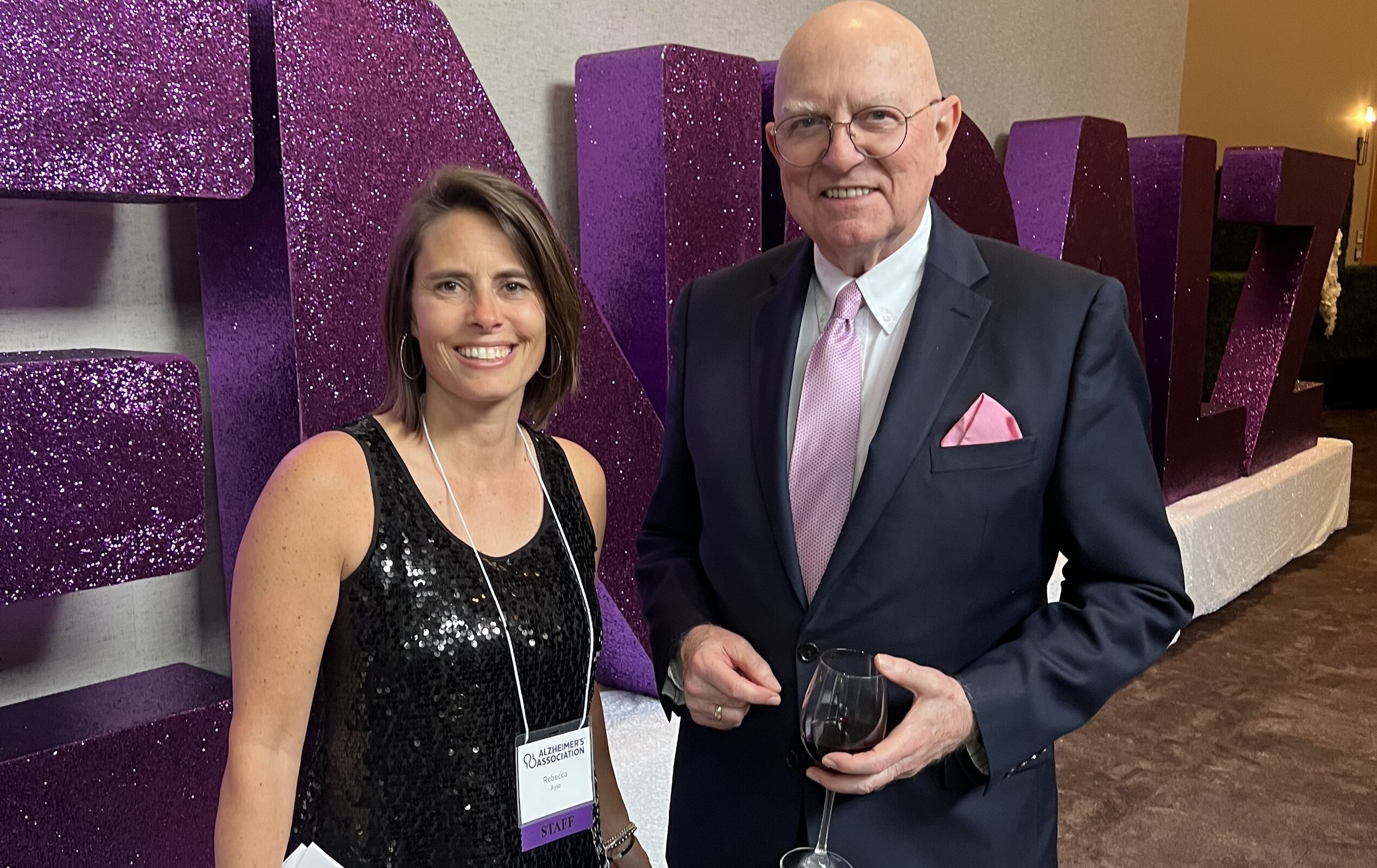

Dr. Rice's international reach extends well beyond Europe. As a faculty member of a business school in Nairobi, Kenya, and an advisor to nonprofit boards across the globe, he has spent recent months guiding the board of a biomedical research group in northern Nigeria, including a trip to meet with fellow biomedical and genomic research center boards in Dakar, Senegal. It's part of a career-long pattern: helping non-profit boards and executive teams—in health, credit unions, and social welfare alike—govern more effectively, wherever in the world they operate.

Leadership Supporting Scientific Innovation
As Executive Board Chair of INDRC, Dr. Jim Rice plays an important role in guiding the organization’s strategic development and strengthening international collaboration.
With decades of leadership experience in healthcare policy, governance, and strategic innovation, Dr. Rice brings valuable insight into how emerging technologies can be responsibly integrated into healthcare systems. Throughout the podcast, he also highlighted the importance of trust, transparency, mentorship, and collaboration—principles that are equally essential for translating scientific advances into meaningful societal impact.
His long-standing commitment to improving healthcare aligns closely with INDRC’s mission of accelerating research that ultimately benefits patients, families, and caregivers affected by neurodegenerative diseases.
Looking Ahead
Artificial intelligence is rapidly becoming an indispensable component of brain research. While many challenges remain, advances in AI, high-performance computing, and emerging quantum technologies are creating unprecedented opportunities to better understand the complexity of the human brain.
Through initiatives such as the CLARA Centre of Excellence, INDRC is helping build the international research ecosystem needed to transform these technological advances into real-world clinical impact. By combining interdisciplinary expertise with responsible innovation, CLARA seeks to accelerate scientific discovery and contribute to earlier diagnosis, improved treatment strategies, and healthier aging for future generations.
The full podcast episode, Distilling Wisdom, offers an engaging discussion on the future of artificial intelligence in healthcare, healthy aging, and the collaborative vision driving innovation at the intersection of neuroscience and advanced computing.
Photo credit: James A. Rice, INDRC
Listen on Apple Podcasts - Source: Episode 135: Distilling Wisdom (ft. Dr. Jim Rice), Minnesota Masonic Histories and Mysteries