The inaugural edition of the CLARA Young Innovator Award was dominated by projects using machine learning for the early diagnosis of Alzheimer’s disease and advanced analysis of brain data. In addition to valuable feedback from the expert jury, the winners also received financial support of EUR 2,000 to further develop and implement their projects in practice.
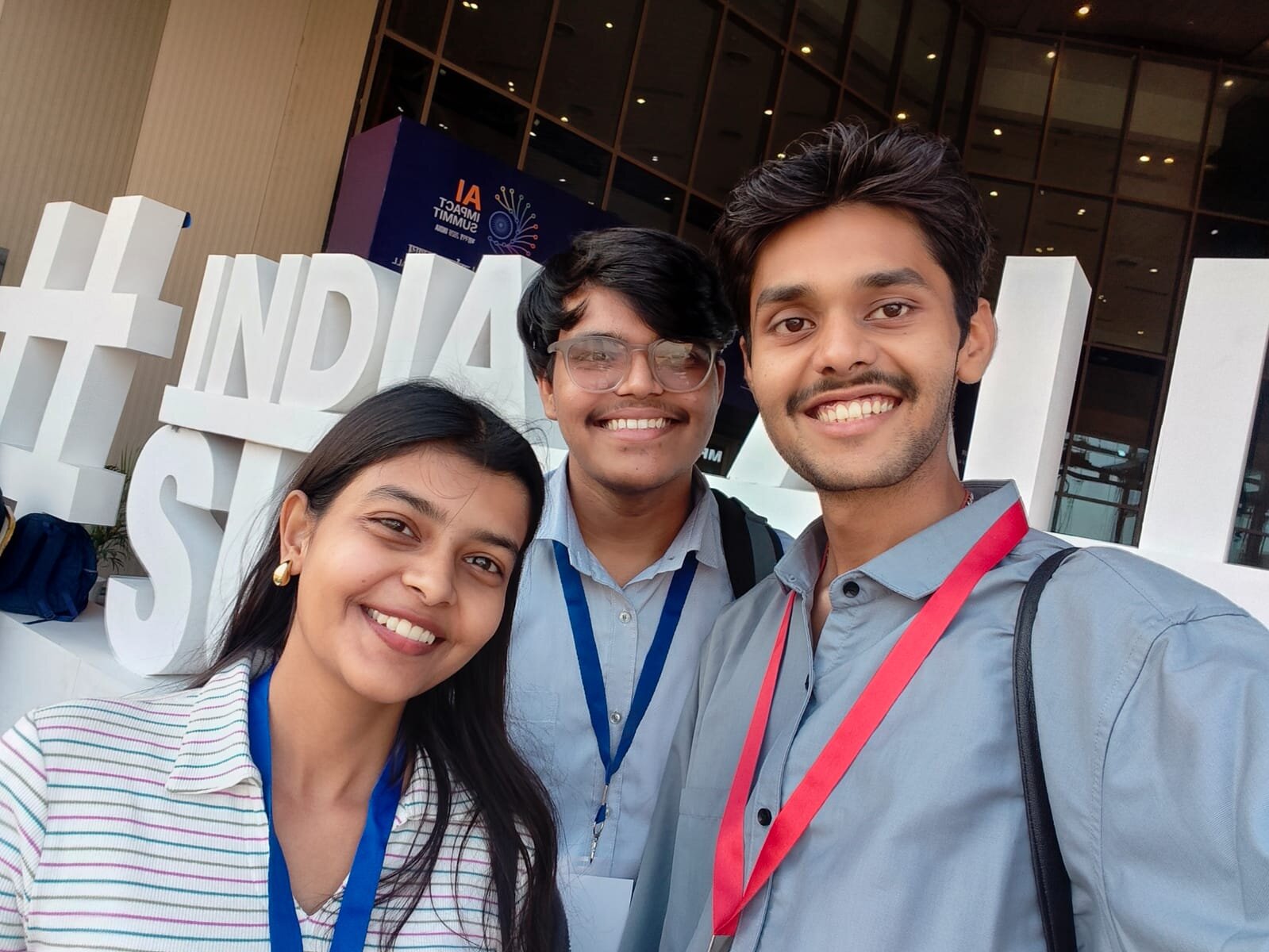
The winner in the under-22 category was a team of young talents from India, specifically from the Institute of Information Technology in Nagpur. Aadrika Gupta, Sangyan Hari Pushkar, and Mayur Mundad focused on the early detection of Alzheimer’s disease symptoms. Their project enables real-time patient monitoring, tracking brain activity, speech, and movement while continuously analysing the collected data.
“In its early stages, Alzheimer’s disease manifests through changes in gait, articulation, or difficulties recalling words. However, these symptoms are still not systematically monitored and, in many cases, are not detected early enough. Our solution can identify potential warning signs at an early stage and recommend seeking medical attention,” explain the young researchers from NeuroSense.
The winning project in the under-35 category focuses on the standardisation and automation of magnetic resonance spectroscopy (MRS) analysis. MRS is an advanced diagnostic method that, instead of imaging organs, analyses their chemical composition. It is most commonly used in the examination of brain tumours, helping distinguish between inflammation and cancerous growth and assess tumour malignancy and aggressiveness.
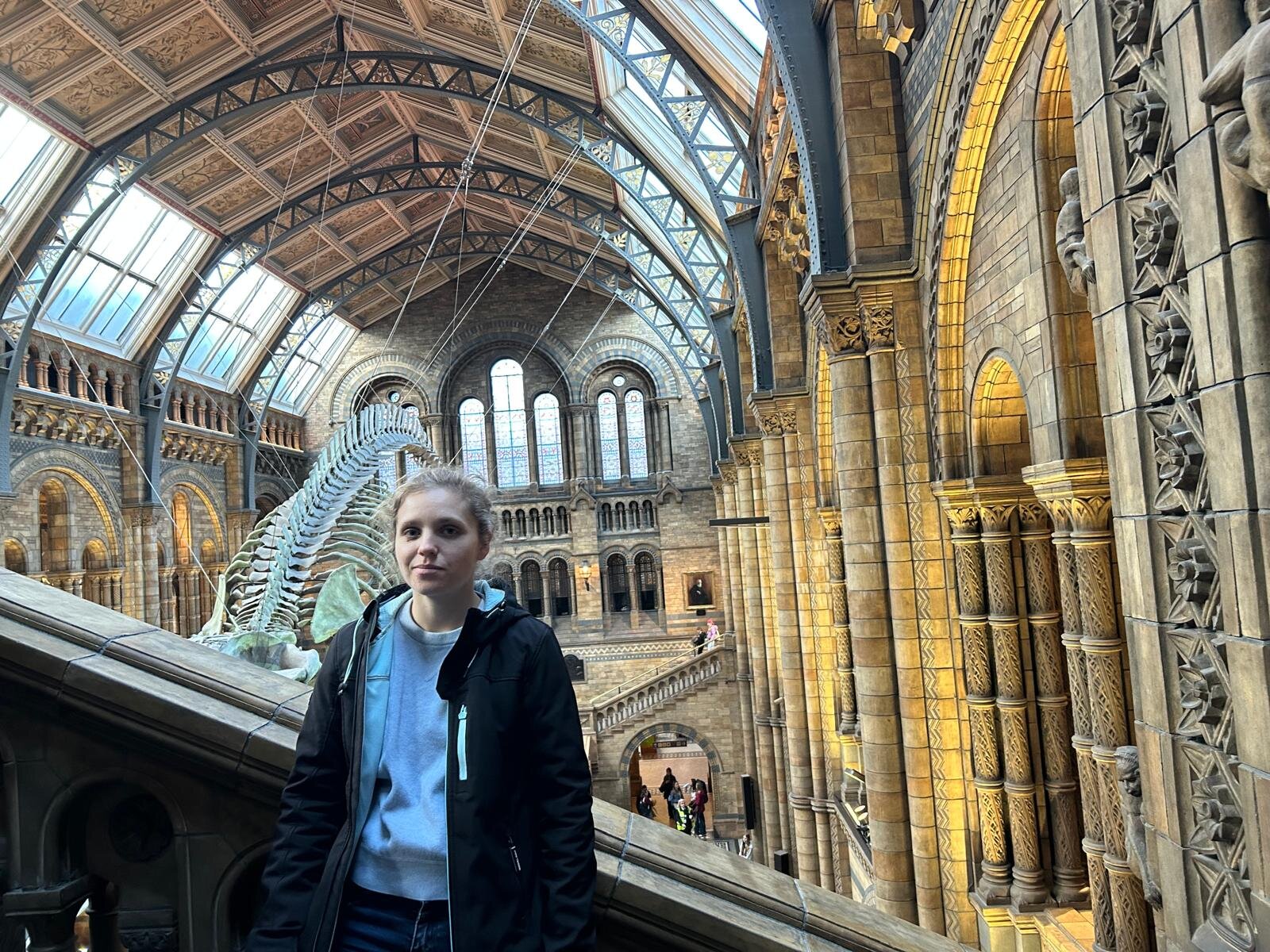
Capucine Cadin from the Paris Brain Institute developed a system for processing spectroscopy results that automatically evaluates measured values and checks the quality of input data. An artificial intelligence–based model then helps physicians predict the progression of a disease or abnormal finding. “I would like to expand the platform to neurological disorders associated with ageing, such as Alzheimer’s disease. It could help physicians identify and interpret chemical changes in the brain at an earlier stage,” says the student researcher. Both winning projects will also support follow-up research, with anonymised data serving further scientific investigation.
The jury, composed of leading Czech and international scientists, selected the winners from 30 submitted projects representing seven countries. “The quality of the submitted projects was exceptionally high. We were deeply impressed by both the quality of the work and the creativity of the proposed solutions. I would once again like to congratulate the winners and thank all participants for the careful preparation of their projects. Their work has tremendous potential and real significance,” says jury member Jiří Damborský from ICRC (FNUSA and MED MUNI).
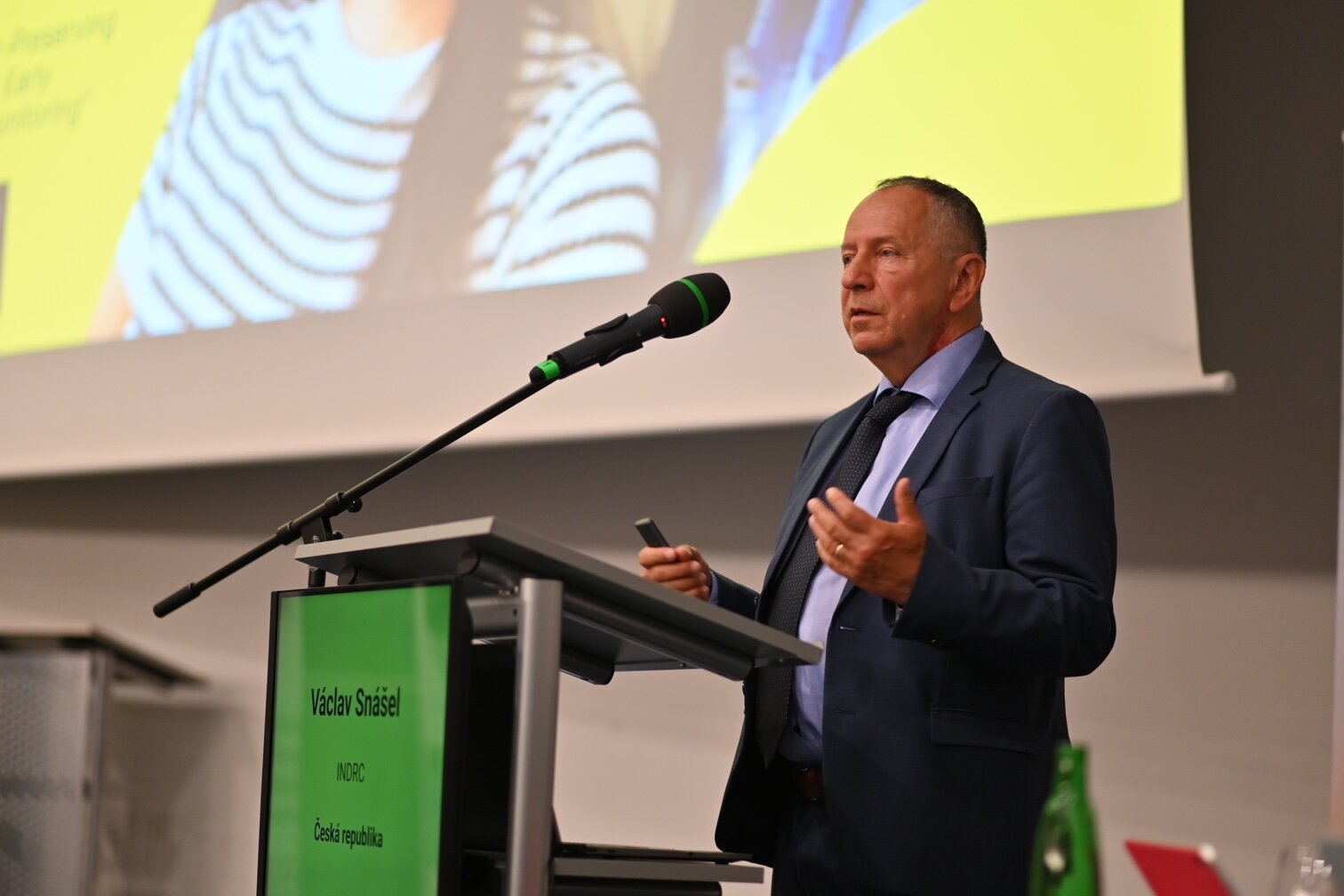
The CLARA Young Innovator Award is organised by the CLARA centre. “We focus on connecting artificial intelligence, quantum computing, and neuroscience research. Our goal is to accelerate progress in the research of neurodegenerative diseases, especially Alzheimer’s disease, by using advanced computational methods to analyse extensive biological and clinical data,” says CLARA Director Václav Snášel.
In addition to the two winning projects, several other entries also deserve recognition. “That is why I am pleased that CLARA will provide further visibility for other high-quality projects through the centre’s social media channels,” notes jury member Ara S. Khachaturian from INDRC.
The financial awards in both categories were made possible thanks to the support of the competition’s general partner, the biotechnology company 22 Hor Invest s.r.o.